

Why is Color Alucobond becoming the preferred material for modular building projects
2026-05-21
In the rapidly evolving world of modular construction, material selection determines speed, durability, and aesthetics. Color Alucobond – a lightweight aluminum composite panel – has emerged as a top choice for architects and modular builders. Brands like Be-Win have further elevated its application by supplying high-performance Color Alucobond systems tailored for prefabricated units. Its unique combination of formability, resilience, and finish variety directly addresses the core needs of off-site manufacturing.
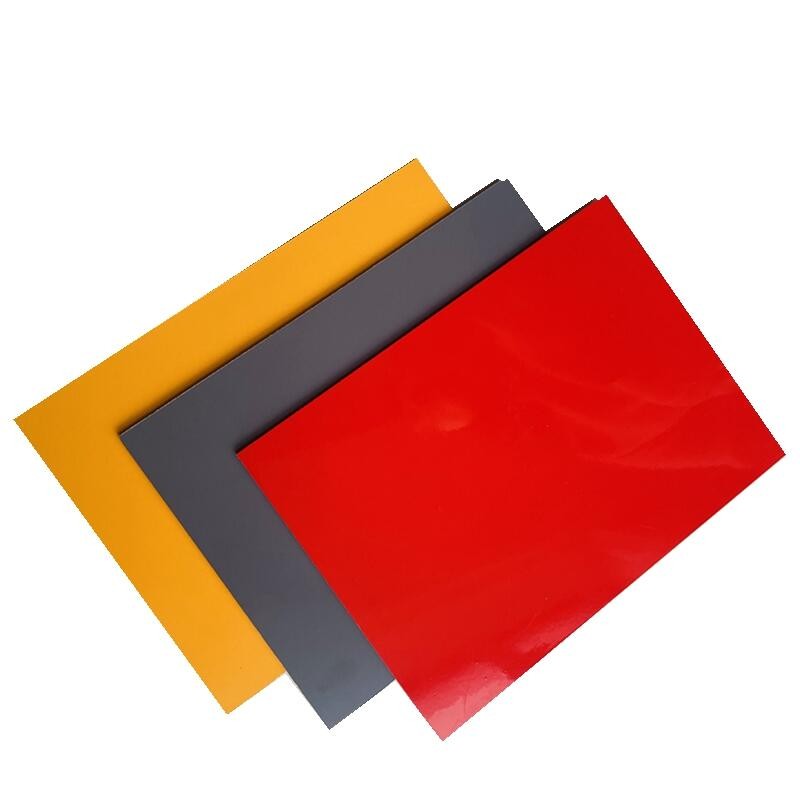
Key advantages of Color Alucobond in modular construction
| Feature | Benefit for Modular Building |
|---|---|
| Lightweight core | Reduces transport weight and crane load |
| Flat and rigid panel | Ensures precise joints in factory-controlled settings |
| Wide color range | Enables brand matching without extra painting |
| UV and weather resistance | Protects units during storage and shipping |
| Ease of cutting and folding | Accelerates production line workflows |
Why modular builders prefer Color Alucobond over traditional materials
Traditional materials like steel, wood, or fiber cement often introduce weight, moisture sensitivity, or finishing delays. Color Alucobond eliminates these issues. Its roll-coated PVDF finish arrives ready to install, and the composite structure resists denting during handling. For repetitive module designs, Be-Win supplies Color Alucobond in consistent batches, ensuring every unit matches exactly – critical for multi-module hotels, dormitories, and medical facilities.
Color Alucobond FAQ – Common questions from modular project managers
Q1: Can Color Alucobond panels be cut and bent on standard modular production lines without special tools?
A: Yes. Color Alucobond is engineered for workability. It can be cut with carbide-tipped circular saws, routed, and folded on conventional sheet metal equipment. The panel’s polyethylene core allows clean bends without cracking the aluminum skin. This compatibility means modular factories do not need to invest in new machinery. Be-Win provides detailed fabrication guides to help production teams achieve tight tolerances – typically ±0.5mm – ideal for plug-and-play module interfaces.
Q2: How does Color Alucobond perform during long-distance shipping of finished modules?
A: Exceptional. The panel’s aluminum skins resist corrosion from road salt and humidity, while the composite structure absorbs vibration better than rigid single-sheet metal. Unlike painted steel, Color Alucobond does not chip at bolt points or frame contact areas. In third-party tests, modules clad with Color Alucobond showed no surface damage after 1,500 km of simulated transport. Be-Win recommends using edge protectors and interleaving film for added safety, but the material itself is a primary defense against transit wear.
Q3: Is Color Alucobond compliant with fire codes for modular housing and temporary structures?
A: Yes, provided you select the correct grade. Standard Color Alucobond uses a low-density polyethylene core. For projects requiring higher fire performance, manufacturers including Be-Win offer fire-retardant (FR) core versions that meet ASTM E84 Class A and EN 13501-1 B-s1, d0 ratings. These FR panels are widely used in modular healthcare units, student housing, and construction site offices. Always verify local building code requirements – the FR variant of Color Alucobond addresses most international modular fire safety standards without adding significant weight.
Design flexibility and installation speed
Modular projects often require curved panels, window cutouts, and seamless corners. Color Alucobond supports these needs through reverse bending and routing techniques. A three-person crew can clad an entire 40-foot module in less than four hours using mechanical fasteners or structural adhesive. Compared to cement board or metal stud systems, Color Alucobond reduces cladding time by approximately 40%, directly accelerating production throughput.
Sustainability and life cycle value
Color Alucobond is fully recyclable at end of life. The aluminum skins contain recycled content, and the panels help modular buildings achieve passive energy gains through reflective color finishes. Be-Win publishes environmental product declarations (EPDs) for its Color Alucobond range, supporting LEED and BREEAM certifications.
Contact us
Ready to upgrade your modular building cladding system with Color Alucobond? Be-Win provides free material samples, technical datasheets, and production line integration support. Reach out today to discuss your next project – our team helps modular manufacturers reduce lead times while maintaining premium aesthetics. Contact Be-Win now for a customized quote and engineering consultation.