
What Features Should You Look for in a Durable Loose Leaf Notebook Binder
2026-03-13
When it comes to protecting your notes and ensuring long-term usability, selecting a high-quality loose leaf notebook binder is essential. A flimsy binder can lead to torn pages, broken rings, and frustrated users. Whether you are a student, a professional, or a creative, understanding the construction and materials of these tools will help you make an informed decision. At Aiyide, we specialize in crafting stationery that withstands daily wear and tear while maintaining aesthetic appeal. To help you navigate the market, we have broken down the critical features that define a truly durable loose leaf notebook binder.
Core Material and Cover Durability
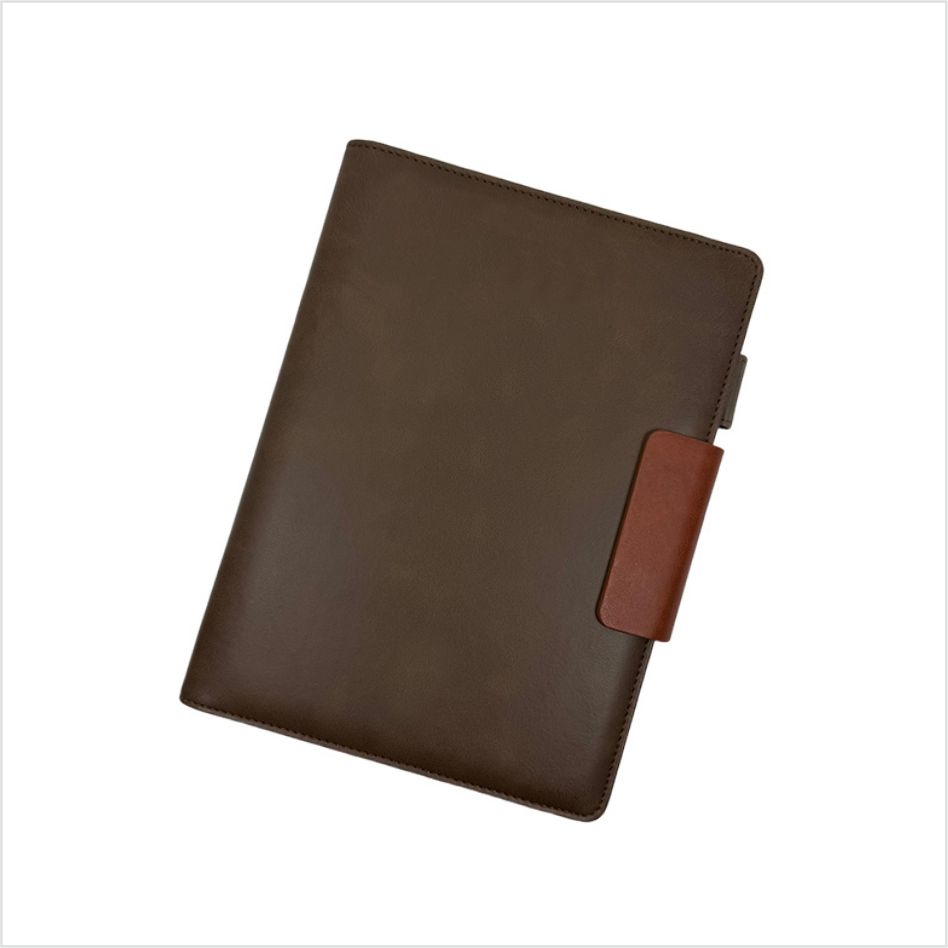
The foundation of any long-lasting binder is its cover material. You should prioritize binders made from thick polypropylene (PP) or reinforced fabric. Cheaper cardboard covers warp easily when exposed to moisture or pressure. A premium binder from Aiyide often features a rigid cover with a soft-touch finish, providing both protection and comfort. This ensures your documents remain flat and secure inside your bag.
Ring Mechanism Quality
The rings are the most mechanically complex part of a loose leaf notebook binder. If the rings misalign, the binder becomes useless. Look for:
-
Metal Type: Zinc or steel alloys offer superior strength over aluminum.
-
Mechanism: "Boost" or "O" ring mechanisms that lock shut to prevent gaps are ideal.
-
Capacity: Ensure the ring size (e.g., 20mm, 30mm) matches your expected page volume without overstuffing.
To simplify the selection process, refer to the comparison table below based on Aiyide product standards:
| Feature | Low-Quality Binder | High-Quality Aiyide Binder |
|---|---|---|
| Cover Material | Thin Cardboard (Prone to tearing) | Rigid Polypropylene (Water-resistant) |
| Ring Type | Slant-D Rings (Prone to misalignment) | Boost O-Rings (Locking mechanism) |
| Spine Strength | Paperboard (Warping risk) | Reinforced PVC (Shape retention) |
| Interior Pockets | None or poorly glued | Riveted Pockets for extra storage |
Reinforced Edges and Spine
Stress points are the first areas to fail. A durable loose leaf notebook binder must have reinforced edges and a sturdy spine. Look for binders where the cover material wraps tightly around the edges. Aiyide designs its binders with heat-sealed seams rather than simple glued edges, ensuring that the binder does not peel apart after a few months of use. A strong spine also allows the binder to stand upright on a shelf without collapsing.
Interior Features and Pocket Design
Durability is not just about the exterior; it is also about how the interior holds up. You need inside covers that feature tight, riveted pockets rather than taped ones. These pockets are perfect for holding loose sheets or business cards without tearing. Additionally, the mechanism that attaches the rings to the spine must be securely riveted. Screw-post mechanisms can loosen over time, whereas riveted systems, like those used by Aiyide, remain tight for years.
Loose Leaf Notebook Binder FAQ
Q: How can I prevent the rings on my loose leaf notebook binder from becoming misaligned?
A: Ring misalignment usually occurs from overfilling or dropping the binder. To prevent this, never exceed the recommended sheet capacity indicated for the ring size. Choose a binder with a "lock" mechanism, such as the Aiyide boost ring series, which keeps the rings perfectly aligned when closed. If you must travel with the binder, place it flat in your bag rather than vertically to reduce pressure on the lower rings.
Q: What is the difference between a round ring and a D-ring in a loose leaf notebook binder?
A: The main difference lies in page capacity and paper management. Round rings are classic and easy to open, but they cause pages to curve, which can wear out the punched holes over time. Durable loose leaf notebook binders typically use D-rings (or O-rings). These rings allow pages to lay completely flat because the paper sits against a straight edge. This design significantly reduces stress on the paper and the binder mechanism, making it the preferred choice for heavy daily use.
Q: Are polypropylene binders really more durable than vinyl binders?
A: In most cases, yes. High-quality polypropylene (PP) offers superior resistance to tearing and chemical breakdown compared to standard vinyl. Vinyl can become sticky or brittle over time, especially in extreme temperatures. Polypropylene, particularly the thickness used in Aiyide binders, is flexible yet tough, resistant to water damage, and environmentally friendlier to produce. It maintains its structural integrity far longer than most vinyl-based alternatives.
Contact Us
Finding the perfect durable loose leaf notebook binder can significantly improve your daily workflow and protect your valuable information. Whether you need custom designs for your business or bulk orders for your organization, Aiyide is here to help. Do not settle for stationery that falls apart. Contact Us today to discuss your requirements or to browse our latest collection of premium binders built to last a lifetime.