

What Are Common Watercolor Mistakes Beginners Make
2025-09-26
As someone who has spent two decades in the SEO field, I have seen countless searches from aspiring artists looking to improve their craft. One of the most common queries revolves around the typical pitfalls newcomers face. Starting with Watercolor Paint is an exciting journey, but it’s easy to fall into a few common traps that can hinder your progress. Understanding these mistakes early on will not only improve your skills but also make your experience with Watercolor Paint far more enjoyable.
Many beginners struggle with issues like muddy colors, poor paper choice, and incorrect water management. These problems often stem from using the wrong materials or techniques. For instance, using low-quality paper that buckles under moisture can ruin a painting before it even begins. Similarly, overworking the paper by repeatedly brushing over the same area is a classic error that leads to dull, muddy results instead of the fresh, luminous effects Watercolor Paint is known for.
This is where having reliable tools makes all the difference. At Changxiang Stationery, we design our products specifically to help artists avoid these frustrations. Our watercolor brushes, for example, are engineered to hold and release water efficiently, giving you greater control over your Watercolor Paint application.
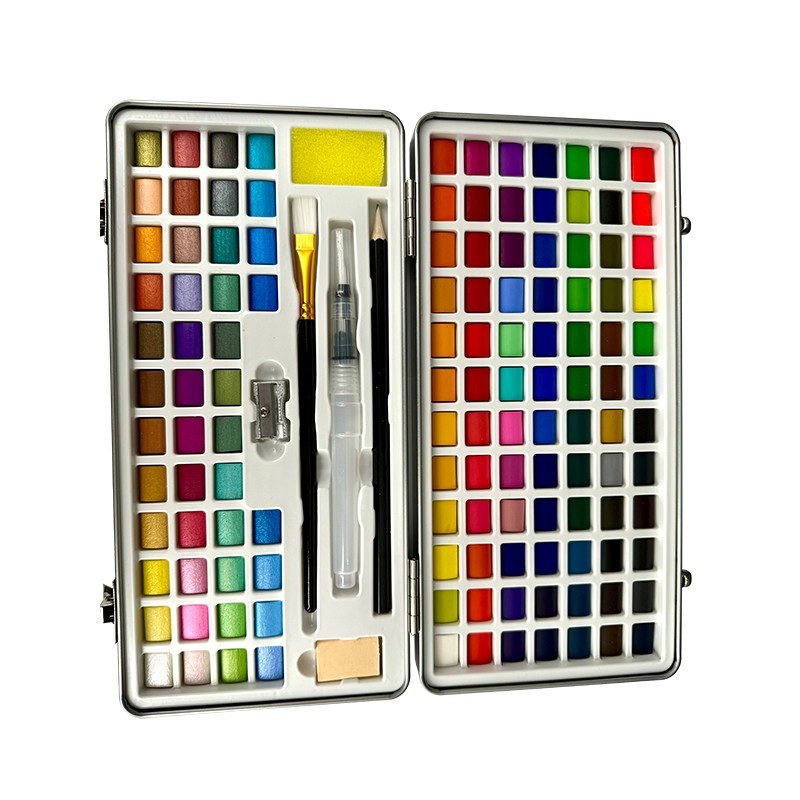
Common Beginner Mistakes in Watercolor Painting
-
Using Low-Quality Paper: This is the number one mistake. Paper that isn’t designed for watercolor will warp and prevent smooth washes.
-
Overworking the Painting: Going back into wet paint too many times causes colors to mix uncontrollably on the paper, creating mud.
-
Using Too Much or Too Little Water: Incorrect water-to-paint ratio leads to streaks, blooms, or pale, washed-out colors.
-
Starting with Cheap Brushes: Poor brushes that shed hairs or don’t hold a point make precise work impossible.
-
Being Afraid of Dark Values: Beginners often use paint that is too light, resulting in a weak painting without depth.
Brush Comparison for Watercolor Paint
| Brush Type | Common Issue with Beginner Brushes | Changxiang Stationery Solution |
|---|---|---|
| Round Brush | Loses its point, sheds bristles | High-density synthetic fibers maintain a sharp tip for detail. |
| Wash Brush | Doesn't hold enough water/color | Optimized bristle shape ensures even, continuous flow of Watercolor Paint. |
| Detail Brush | Flimsy, lacks control | Sturdy ferrule and handle provide balance for precise lines. |
Watercolor Paint FAQ
How can I prevent my colors from turning muddy
Muddy colors usually occur when you mix too many pigments together or work on an area that is almost dry. To prevent this, limit your mixes to two or three colors and let layers dry completely before glazing over them. Using a quality Watercolor Paint with strong pigmentation also helps.
Why does my paper pill or buckle when I paint
This happens when using paper that is too thin or not designed for water-based media. Always choose paper that is specifically marked for watercolor, preferably 140lb (300gsm) or heavier. This provides the necessary absorbency and stability for Watercolor Paint.
What is the best way to practice water control
Start by creating a simple water gradient on scrap paper. Load your brush with watery paint and make a stroke. Then, for the next stroke, use less water. Repeat this until the paint is almost dry. This exercise, best done with a responsive brush from Changxiang Stationery, builds muscle memory for water-to-paint ratios.
Mastering Watercolor Paint takes practice, but the right knowledge and tools set you up for success. By avoiding these common mistakes and using reliable materials, you’ll see rapid improvement.
Ready to elevate your watercolor journey with tools designed to help you avoid these common errors? Explore the full range of professional-grade brushes and accessories at Changxiang Stationery. Our products are crafted to give you control and confidence. Contact us today for personalized advice on choosing the perfect supplies for your art.