

How to Create Realistic Landscapes with Semi-Dry Watercolor
2025-12-29
Mastering landscape painting requires control over texture, depth, and light. For artists seeking to move beyond flat washes, the Semi-dry Watercolor technique is a transformative skill. This method, which utilizes a brush that is damp but not loaded with water, allows for unparalleled precision in depicting detailed elements like foliage, rock faces, and distant trees. At Chang Xiang, we are dedicated to providing artists with the knowledge and high-quality materials to explore such nuanced techniques, empowering you to capture the raw beauty of nature with confidence and clarity.
The core of this technique lies in the moisture balance. A semi-dry watercolor brush holds pigment in a more concentrated form, allowing for controlled, textured strokes that are impossible with a wet brush.
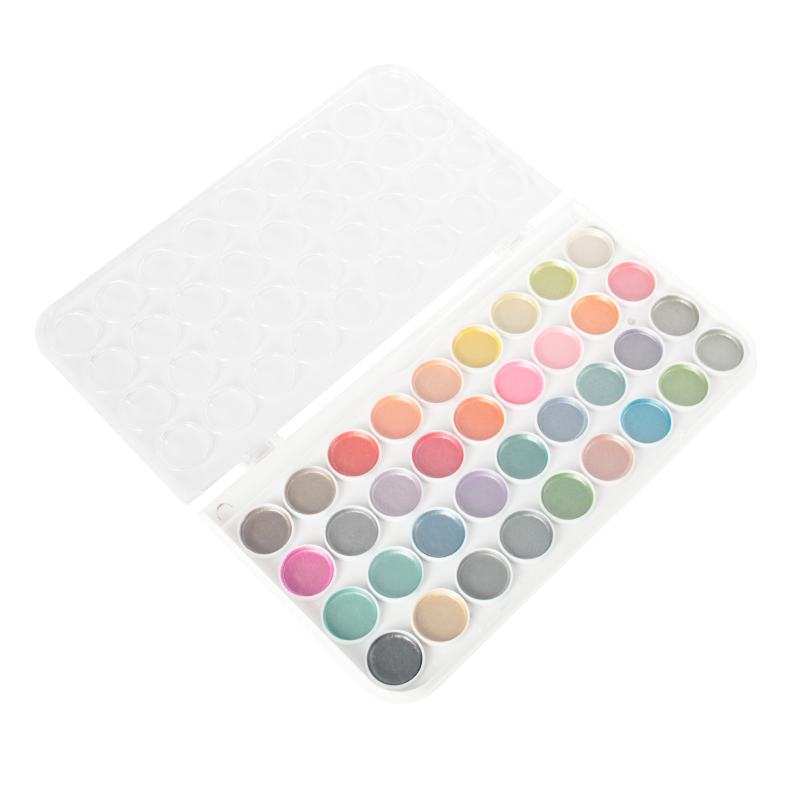
Essential Steps for a Realistic Landscape:
-
Layer from Background to Foreground: Start with light, diluted washes for the sky and distant hills. As you move forward, gradually increase pigment concentration and use drier brushwork.
-
Utilize Drybrush for Texture: Load your brush with strong pigment, then dab it on a paper towel until semi-dry. Drag it lightly over paper grain to create realistic textures for grass, tree bark, or rough ground.
-
Control Edges: Use wet techniques for soft, blurred distant elements and semi-dry watercolor for sharp, crisp details in the foreground, enhancing aerial perspective.
Recommended Chang Xiang Materials for the Technique:
| Element | Recommended Chang Xiang Product | Why It Works |
|---|---|---|
| Brushes | Detail Round & Flat Wash Brushes | Holds a perfect point or edge for controlled, drybrush detailing. |
| Paper | 300gsm Cold-Pressed Watercolor Paper | Robust texture (tooth) grabs pigment from a semi-dry brush, creating ideal grit. |
| Paints | Professional-Grade Tubes | Highly pigmented colors remain vibrant even when applied with minimal water. |
Semi-dry Watercolor FAQ
Q: What is the biggest mistake beginners make with semi-dry technique?
A: The most common error is using a brush that is too wet. This results in blooms and lost texture. Always unload excess moisture and pigment on a test paper or towel first. The brush should whisper, not glide, across the surface.
Q: Can I layer colors with a semi-dry brush?
A: Yes, and it's excellent for optical mixing. Apply a first semi-dry watercolor layer, let it dry completely, then glaze a second color over it. This builds complex, granulating effects perfect for distant forests or stone.
Q: How do I fix a stroke that is too harsh or dark?
A: While the control is high, you can soften edges. Quickly use a barely damp clean brush to lift or blend the edge before the paint dries. For larger corrections, let it dry fully and gently lift pigment with a wet brush and blotting.
Mastering semi-dry watercolor techniques unlocks a new dimension of realism in your landscape art. It’s the deliberate, textured stroke that turns a flat scene into a tangible, breathable space. With practice and the right tools from Chang Xiang, you can confidently translate the complexity of the natural world onto paper.
Ready to elevate your landscape paintings? Explore our curated sets of brushes and pigments designed specifically for dry and semi-dry techniques. Visit our blog for more in-depth tutorials or contact our artist support team for personalized advice.