

How Does a Wheel Loader Improve Efficiency in Construction and Material Handling?
2026-09-01
Article Summary:
A wheel loader is one of the most widely used machines in construction, agriculture, mining, logistics, and industrial operations. With powerful loading ability, flexible movement, and excellent adaptability, it helps businesses reduce manual labor, improve productivity, and lower operating costs. This article explains how a wheel loader works, why it is valuable for different industries, how to select the right model, and how Qingzhou Mingxu Supply Chain provides reliable equipment solutions for global customers.
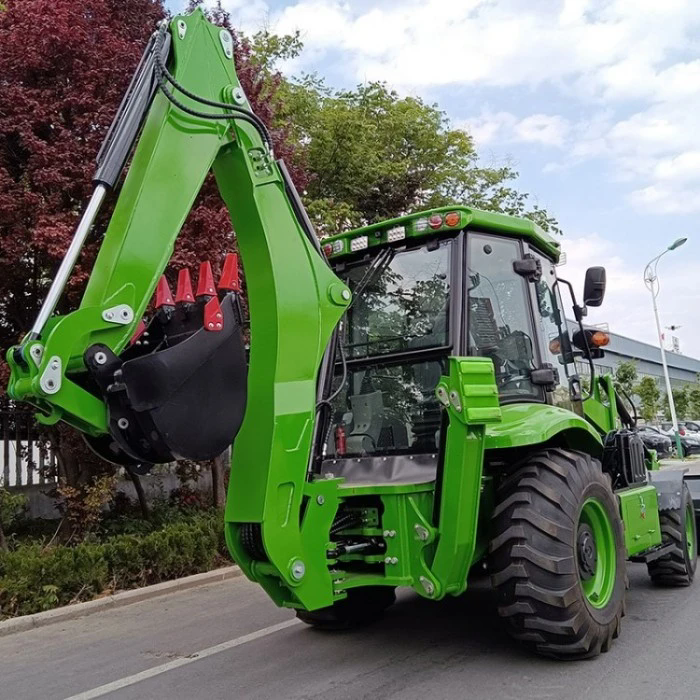
Table of Contents
- What Is a Wheel Loader?
- How Does a Wheel Loader Work?
- Why Do Businesses Choose Wheel Loaders?
- Where Are Wheel Loaders Commonly Used?
- How to Select the Right Wheel Loader?
- How to Maintain a Wheel Loader for Long-Term Performance?
- Why Choose Qingzhou Mingxu Supply Chain?
- Frequently Asked Questions
What Is a Wheel Loader?
A wheel loader is a heavy-duty construction machine designed for loading, transporting, and moving various materials such as soil, sand, gravel, coal, agricultural products, and industrial materials. Unlike traditional manual handling methods, a wheel loader combines strong hydraulic power, a front-mounted bucket, and a mobile wheel system to complete demanding tasks quickly and efficiently.
Modern wheel loaders are designed with improved fuel efficiency, operator comfort, and multifunctional attachments. Depending on project requirements, users can choose compact wheel loaders for small spaces or heavy-duty models for large-scale construction and mining operations.
The main components of a wheel loader include:
- Engine system: Provides power for movement and hydraulic operations.
- Hydraulic system: Controls bucket lifting, lowering, and material handling.
- Bucket attachment: Allows loading and transporting different materials.
- Articulated steering system: Improves flexibility in narrow working environments.
- Cabin: Provides a safer and more comfortable operating environment.
How Does a Wheel Loader Work?
The operation principle of a wheel loader is based on the combination of mechanical power and hydraulic control. The engine generates energy, which is transferred to the drivetrain and hydraulic system. The operator controls the machine through the cabin to move the bucket into materials, lift the load, transport it, and discharge it at the target location.
The basic working process includes several steps:
- The wheel loader drives toward the material pile.
- The bucket enters the material through forward movement.
- The hydraulic system lifts the loaded bucket.
- The machine transports the material to another location.
- The bucket unloads the material and returns for the next cycle.
| Working Process | Main Function | Customer Benefit |
|---|---|---|
| Loading | Collects materials using the front bucket | Reduces manual labor requirements |
| Transportation | Moves materials between locations | Improves project speed |
| Unloading | Releases materials accurately | Increases operation efficiency |
| Attachment Replacement | Supports different working tools | Expands machine applications |
Why Do Businesses Choose Wheel Loaders?
Many industries rely on wheel loaders because they provide a practical balance between power, flexibility, and operating efficiency. Compared with traditional equipment, wheel loaders help companies complete more work within shorter time periods while maintaining reliable performance.
| Advantage | Description | Business Value |
|---|---|---|
| High Productivity | Strong lifting capacity and fast loading cycles | More materials handled per working hour |
| Flexible Operation | Suitable for different working environments | One machine can handle multiple tasks |
| Lower Labor Costs | Reduces dependence on manual workers | Improves overall project economics |
| Attachment Compatibility | Supports buckets, forks, clamps, and other tools | Creates more application possibilities |
| Operator Comfort | Modern cabins improve visibility and control | Reduces operator fatigue |
For companies facing challenges such as rising labor costs, limited working time, and increasing project requirements, investing in a suitable wheel loader can provide long-term operational advantages.
Where Are Wheel Loaders Commonly Used?
A wheel loader is a versatile machine that serves many industries. Its strong performance makes it suitable for both heavy construction projects and daily material handling operations.
- Construction Industry: Used for moving soil, sand, concrete materials, and construction waste.
- Mining Operations: Handles rocks, minerals, and large-volume materials.
- Agriculture: Helps transport grain, feed, fertilizer, and farm materials.
- Logistics and Warehousing: Supports material loading and transportation.
- Municipal Projects: Used for road maintenance, snow removal, and public works.
How to Select the Right Wheel Loader?
Choosing the correct wheel loader requires consideration of working conditions, material types, capacity requirements, and operating costs. Selecting an unsuitable machine may lead to higher fuel consumption, reduced efficiency, and unnecessary maintenance expenses.
| Selection Factor | What to Consider |
|---|---|
| Loading Capacity | Choose based on the average weight and volume of materials. |
| Bucket Size | Select according to project requirements and material density. |
| Engine Performance | Ensure sufficient power for continuous operation. |
| Working Environment | Consider terrain, space limitations, and climate conditions. |
| Maintenance Support | Check spare parts availability and service capability. |
Small wheel loaders are ideal for farms, landscaping, and compact construction sites. Medium and large wheel loaders are better suited for mining, infrastructure projects, and high-volume material handling.
How to Maintain a Wheel Loader for Long-Term Performance?
Proper maintenance directly affects machine lifespan, fuel efficiency, and operating safety. A regular maintenance plan helps identify potential issues before they become expensive failures.
- Check engine oil and hydraulic oil regularly.
- Inspect tires for wear and damage.
- Clean air filters to maintain engine performance.
- Examine hydraulic pipes and connections.
- Lubricate moving parts according to manufacturer recommendations.
- Schedule professional inspections regularly.
Operators should also receive proper training because correct operation methods can significantly reduce unnecessary machine stress and improve working efficiency.
Why Choose Qingzhou Mingxu Supply Chain?
Qingzhou Mingxu Supply Chain focuses on providing dependable machinery solutions for customers who need efficient and durable equipment. The company understands that different industries have different working requirements, so professional product selection and customized solutions are essential.
By combining reliable equipment resources, industry experience, and customer-oriented service, Qingzhou Mingxu Supply Chain helps global customers find suitable wheel loader solutions for construction, agriculture, transportation, and industrial applications.
The company pays attention to product performance, practical application needs, and long-term customer value. Whether customers need compact machines for small projects or powerful equipment for demanding operations, Qingzhou Mingxu Supply Chain can provide suitable choices.
Frequently Asked Questions
Q1: What materials can a wheel loader handle?
A wheel loader can handle many materials, including soil, sand, gravel, rocks, coal, agricultural products, and industrial raw materials.
Q2: Is a wheel loader suitable for small construction projects?
Yes. Compact wheel loaders are designed for smaller sites where space is limited while still providing efficient loading performance.
Q3: How long can a wheel loader operate?
The service life depends on machine quality, operating conditions, maintenance frequency, and usage methods. Proper maintenance can significantly extend equipment life.
Q4: Can a wheel loader use different attachments?
Yes. Many wheel loaders support interchangeable attachments such as different buckets, forks, and specialized tools to complete various tasks.
Q5: What should buyers consider before purchasing a wheel loader?
Buyers should evaluate workload, material type, site conditions, machine capacity, maintenance support, and supplier reliability before making a decision.
Conclusion
A wheel loader is an essential machine for improving productivity, reducing labor requirements, and completing material handling tasks efficiently. With the right model, businesses can achieve better performance, lower operating costs, and greater flexibility across different industries.
Qingzhou Mingxu Supply Chain is committed to delivering reliable wheel loader solutions that meet different customer requirements. If you are looking for professional equipment support and a suitable wheel loader solution, please contact us for more information and customized assistance.