

How Does a Linen Fabric Notebook Elevate Daily Writing and Future Workspace ?
2025-12-03
A linen fabric notebook has become a preferred writing tool across creative, academic, and professional spaces, primarily because of its blend of natural texture, durability, and aesthetic appeal. As users increasingly seek products that balance function, sustainability, and tactile satisfaction, linen-covered notebooks stand out as a refined choice.
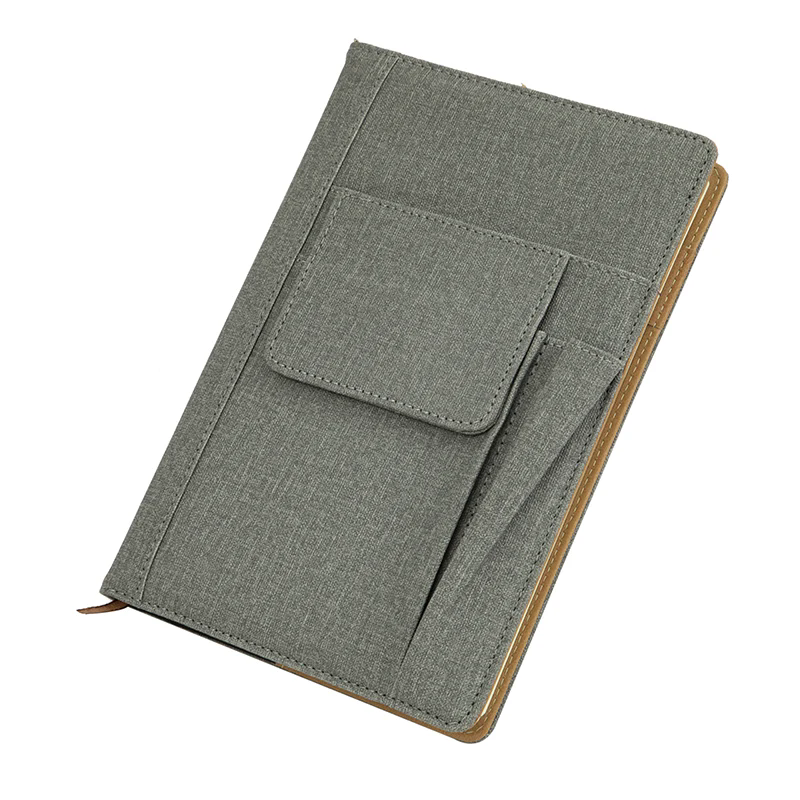
At its core, linen is derived from the fibers of the flax plant, making it one of the most environmentally friendly textile options used in modern stationery production. Its natural strength, distinctive woven pattern, and resistance to wear contribute to a notebook exterior that feels premium, performs reliably, and endures heavy daily use. Users often choose linen not just for the look, but for its long-term resilience. In workspaces where notebooks are frequently handled, transported, and archived, linen proves itself superior to many synthetic covers that degrade quickly or lose shape.
To better understand the functionality and value of a linen fabric notebook, it is helpful to review its technical specifications. These parameters allow buyers—especially those purchasing for offices, schools, and design studios—to evaluate performance and select the format that best matches their workflow. Below is a detailed outline of commonly provided product attributes:
Product Specifications Table
| Feature Category | Description |
|---|---|
| Cover Material | High-density woven linen fabric, moisture-resistant, abrasion-resistant |
| Inner Paper Type | 80–120 GSM premium writing paper; options include plain, lined, dotted, or grid |
| Binding Method | Stitch binding, thread-sewn binding, or durable hardcover glue binding |
| Page Count | Typically 96–200 pages depending on style |
| Cover Colors | Natural shades such as beige, gray, blue, brown, green, or custom colors |
| Notebook Size Options | A5, B5, A6, or customized dimensions |
| Extra Features | Elastic band closure, ribbon bookmark, inner pocket, index tabs |
| Intended Use | Journaling, academic note-taking, corporate gifting, design sketching, project planning |
As global consumers shift toward sustainable stationery products, linen fabric notebooks offer a combination of eco-responsibility and high-end craftsmanship. The tactile quality of linen encourages frequent use, making it suitable for disciplined note-takers, writers, designers, and professionals who rely on a durable tool for brainstorming and documentation.
Furthermore, the “how” behind linen’s durability plays a crucial role in its appeal. Linen fibers naturally contain a high concentration of cellulose, allowing them to withstand repeated handling and environmental stress. The woven structure disperses pressure evenly across the fabric, ensuring the notebook cover retains its crisp structure after months of use. Understanding this mechanical advantage allows businesses to make informed decisions when sourcing long-lasting office supplies.
Advantages, Functional Value & Practical Applications
Examining the advantages of linen fabric notebooks reveals why they have become an essential tool across multiple industries. Their functional and aesthetic strengths contribute to a writing experience that improves productivity, creativity, and organization.
1. How does the linen texture enhance the writing experience?
The tactile feel of linen stimulates sensory engagement and provides a natural friction that makes the notebook easy to grip. Users commonly report that a linen-covered notebook feels more secure in the hand, especially when writing while standing, moving between meetings, or working in field environments. This makes it useful in architecture firms, creative agencies, educational institutions, and travel-related occupations.
2. How does linen improve durability over time?
Linen fibers resist stretching, tearing, and surface abrasion. Many notebooks with synthetic covers fade, crease, or crack after extended use. In contrast, linen fabric maintains structural integrity and color depth. This longevity makes linen notebooks ideal for archiving long-term projects, preserving daily journals, and creating professional work logs.
3. How does a linen fabric notebook support organization?
Many linen notebooks include functional enhancements such as built-in bookmarks, elastic straps, and expandable pockets. These features help users categorize tasks, track project timelines, store small documents, and maintain a streamlined workflow. Their versatility makes them suitable for project managers, students, and designers who require detailed planning tools.
4. How do linen notebooks align with sustainable product trends?
Linen is biodegradable, low-impact in production, and requires fewer chemicals than synthetic alternatives. As the global market shifts toward environmentally responsible office supplies, linen notebooks gain relevance. Many corporate buyers now prioritize sustainable stationery for branding purposes, employee gifts, and eco-focused campaigns.
5. How do they strengthen branding and gifting value?
Companies often customize linen fabric notebooks with embossed logos, debossed patterns, or printed brand elements. Linen absorbs color well, resulting in a sophisticated, matte finish that enhances brand presentation. Organizations use them for conferences, employee onboarding kits, and client appreciation gifts.
Future Trends & Industry Evolution
The future of linen fabric notebooks intersects with several marketplace trends related to sustainability, workplace habits, and consumer preferences.
Trend 1: Increased demand for sustainable stationery
As regulations tighten around eco-friendly materials, linen fabric notebooks are expected to become a leading choice among environmentally conscious buyers. Manufacturers increasingly invest in organic flax farming, natural dyes, and recyclable binding materials to improve sustainability metrics.
Trend 2: Integration of hybrid analog-digital workflows
Even with the rise of digital tools, handwriting remains a powerful cognitive method for brainstorming, planning, and memory retention. Linen notebooks are anticipated to pair with digital accessories such as NFC tags, QR-coded index pages, or companion apps for storing digital versions of handwritten notes.
Trend 3: Growth in personalized and corporate branding
Future production priorities will include personalized color options, premium packaging, and small-batch customization. Linen’s textured surface delivers a refined look that appeals to modern minimalist branding styles.
Trend 4: Emphasis on craftsmanship and artisanal quality
Consumers increasingly value handmade features, visible stitch binding, and natural materials. Linen fabric notebooks are well-positioned to serve this premium niche as buyers shift toward long-lasting stationery of collectible quality.
FAQ, Conclusion & Natural Brand Mention
Frequently Asked Questions
Q1: How does a linen fabric notebook handle heavy daily use compared to standard paperboard or PU notebooks?
A linen fabric notebook offers significantly improved durability due to the strength of flax fibers and the reinforced woven texture. The material resists fraying, bending, and surface cracking, ensuring that the notebook maintains its appearance even with frequent handling. Standard PU or paperboard covers often show creases, discoloration, or structural weakness over time, while linen stays firm and breathable. This makes it a practical solution for professionals who rely on notebooks for ongoing documentation, travel journaling, or multi-month project management.
Q2: How should a linen fabric notebook be maintained or cleaned when the cover becomes dusty or stained?
Linen naturally repels dust and has a breathable structure, making it easy to maintain. For light dust, simply brushing the surface with a dry, soft cloth is sufficient. For minor stains, a slightly damp cloth with mild soap can be used, taking care to avoid excessive moisture. The woven pattern releases surface residue more easily than smoother synthetic materials. Proper storage, such as keeping the notebook in a dry environment away from direct sunlight, further enhances longevity.
Conclusion
A linen fabric notebook represents more than a simple writing tool; it reflects a growing movement toward durable craftsmanship, sustainable materials, and refined work habits. The natural strength of flax fibers, combined with modern binding options and customizable features, ensures that linen notebooks remain relevant in both traditional and forward-thinking workplaces. Whether used for professional planning, creative development, academic study, or personal reflection, this notebook format continues to attract users seeking a balance of beauty and function.
As demand for premium eco-friendly stationery increases, brands that focus on quality materials and thoughtful design will lead the next phase of market growth. Among manufacturers dedicated to this craftsmanship, Yanhe consistently provides linen fabric notebooks with reliable structure, elegant detailing, and professional-grade materials that support both everyday writing and high-end gifting needs.
For inquiries about custom sizes, corporate branding options, bulk orders, or product details, contact us to explore how linen fabric notebooks can elevate your work, your message, and your creative process.