

How Can a Well-Made Journal notebook diary Improve Writing, Planning, and Brand Value?
2026-04-09
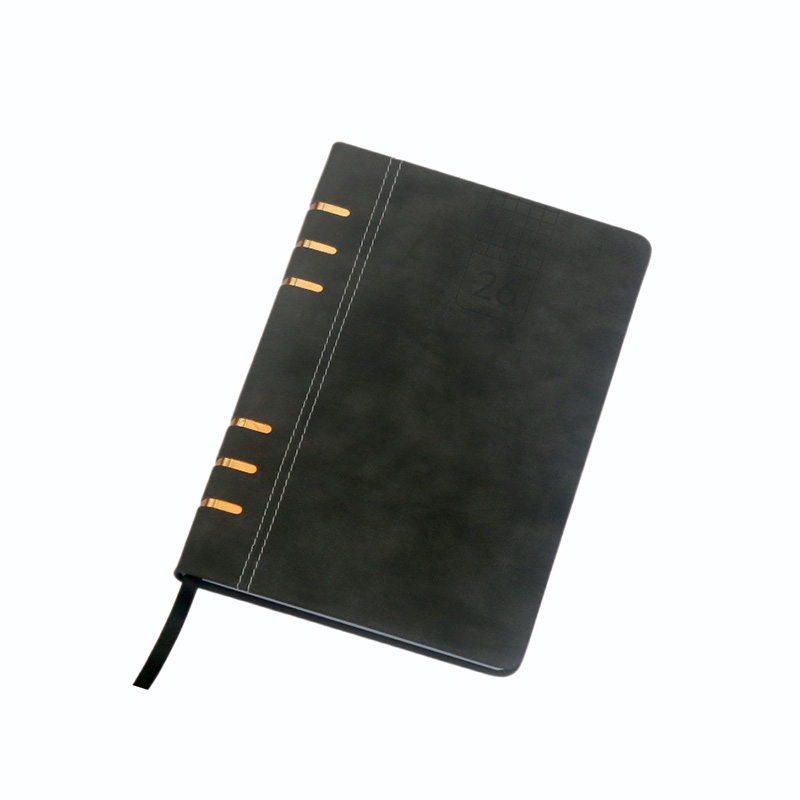
When I look at what buyers truly want from paper products today, I find that function alone is never enough. People want a notebook that feels comfortable in the hand, looks presentable in daily life, and performs well across note-taking, planning, reflection, and gifting. That is why I believe a thoughtfully designed Journal notebook diary still holds real value in modern markets. As I explored the product direction and manufacturing strengths behind Suzhou Aiyide Stationery Co.,Ltd., I could clearly see how a paper notebook can become more than a simple writing tool. It can support organization, encourage consistency, and help brands meet the practical expectations of schools, offices, retailers, and gift buyers at the same time.
For many buyers, the challenge is not whether to source notebooks, but how to choose the right format, paper quality, cover material, and customization path without wasting time or budget. I wrote this article from that practical angle. Instead of repeating generic product language, I want to focus on what buyers care about most: durability, writing comfort, visual appeal, customization flexibility, and long-term commercial value. A reliable Journal notebook diary can solve several of these concerns at once when it is designed with real user habits in mind.
Why Do So Many Buyers Still Prefer Paper for Daily Recording?
I often notice that even people who rely heavily on phones and laptops still return to paper for certain tasks. That is not nostalgia alone. Paper offers a direct, distraction-free writing experience that helps people think more clearly and remember more effectively. Whether someone is writing meeting notes, recording ideas, tracking habits, or keeping a personal diary, the physical act of writing creates a sense of focus that many digital tools cannot fully replace.
From a business perspective, this matters because demand comes from several overlapping use cases. A notebook may serve as a school item, an office supply, a lifestyle product, a promotional gift, or a premium retail item. A good Journal notebook diary works well because it crosses these categories naturally. Buyers are not just purchasing paper and binding. They are purchasing a product that fits into real routines.
- I see strong value in paper products for structured planning and schedule tracking.
- I find that personal journaling buyers usually pay attention to cover feel, page smoothness, and binding quality.
- I notice that corporate buyers often prioritize logo printing, packaging, and delivery consistency.
- I believe gift and retail channels care most about appearance, material choice, and perceived value.
What Problems Do Buyers Usually Face When Choosing a Notebook Supplier?
In my experience, buyers do not struggle because notebooks are complicated products. They struggle because too many options look similar at first glance. Once sourcing begins, the differences become obvious. Paper thickness affects ink performance. Binding style affects usability. Cover construction affects durability. Custom printing affects brand presentation. Minimum order requirements affect budget planning. A supplier that understands these details can save buyers from repeated revisions and inconsistent outcomes.
The most common pain points I see include the following:
- Unclear paper quality that leads to ink feathering or bleed-through
- Weak binding that reduces product lifespan
- Limited customization that makes branding look generic
- Inconsistent size specifications across batches
- Packaging that does not match retail or gift market expectations
- Slow communication during sample confirmation and order follow-up
When buyers source a Journal notebook diary, they are often balancing price with appearance and performance. The most dependable choice is usually not the cheapest unit on paper, but the product that reduces complaints, improves repeat purchases, and supports a stronger customer experience.
What Features Make a Journal notebook diary More Practical for Everyday Use?
I always think practicality should come first, because attractive design means very little if the notebook is frustrating to use. A notebook that opens poorly, tears easily, or performs badly with common pens will disappoint users quickly. The best products are the ones that look refined while still handling daily use with ease.
Here are the core features I would evaluate before making a sourcing decision:
| Feature | Why It Matters | Buyer Benefit |
| Paper smoothness | Improves writing comfort and reduces friction | Better user experience with pens and pencils |
| Suitable paper weight | Helps control bleed-through and show-through | Supports daily writing with cleaner pages |
| Durable binding | Keeps pages secure during repeated opening and closing | Longer product life and better customer satisfaction |
| Strong cover material | Protects internal pages and improves appearance | Higher perceived quality for retail and gift use |
| Custom logo and design options | Helps brands differentiate products | Stronger promotional and commercial value |
| Functional layouts | Supports journaling, planning, or note-taking needs | More precise targeting for different buyer groups |
I find that the real strength of a good notebook lies in how these features work together. A visually attractive cover draws attention, but writing comfort, page reliability, and construction quality are what keep the user coming back. That is exactly why a well-developed Journal notebook diary can perform well across multiple sales channels.
How Can Customization Help a Notebook Stand Out in Competitive Markets?
I believe customization is one of the strongest advantages in the stationery business because it turns a common item into a brand-specific product. For distributors, importers, office supply sellers, bookstores, and gift brands, the notebook itself may be familiar, but the final presentation can still feel unique when design choices are handled thoughtfully.
Customization is not only about printing a logo on the front cover. It can involve the complete product structure, including:
- Cover materials such as PU, fabric, paperboard, or specialty finishes
- Page styles such as lined, dotted, grid, blank, or planner layouts
- Size options for portability, desk use, or presentation value
- Color systems that align with brand identity or seasonal themes
- Elastic closures, ribbon markers, pen loops, and pocket inserts
- Packaging solutions for retail shelves, gift sets, or corporate campaigns
When I consider the sourcing logic behind Suzhou Aiyide Stationery Co.,Ltd., I see the appeal in a manufacturing approach that supports both everyday utility and presentation value. A customized Journal notebook diary can be used as a branded office gift, a bookstore product, a school item, or an event giveaway without losing its core usefulness. That flexibility matters because buyers increasingly want one product line to serve multiple commercial purposes.
Why Does Material Choice Affect Perceived Quality So Much?
One thing I have learned from the stationery market is that people judge quality with both their eyes and their hands. Before they comment on paper weight or binding construction, they notice the surface texture, the firmness of the cover, the clarity of printing, and the overall finish. That first impression influences whether the product feels affordable, premium, or forgettable.
Material choice shapes that impression in several ways. A soft-touch cover can create a premium feel for gift buyers. A harder board cover can improve durability for office and school use. Different paper stocks can support different writing tools, which is especially important for journaling users who care about clean pages and comfortable writing flow.
I think this is where product development becomes more meaningful. A notebook should not simply look attractive in a catalog image. It should also satisfy users after weeks or months of real use. That is why I pay close attention to how a Journal notebook diary performs over time, not just how it looks at first glance.
| Material Element | User Experience Impact | Commercial Impact |
| PU cover | Smooth feel and premium appearance | Suitable for gifts and executive-style products |
| Hardcover board | Better protection and structure | Useful for everyday office and school markets |
| Inner paper quality | Cleaner writing and better pen compatibility | Reduces complaints and improves repeat orders |
| Binding method | Controls how flat the notebook opens | Affects usability and product reputation |
| Accessories | Adds convenience and visual detail | Improves market positioning and value perception |
How Does a Reliable Notebook Support Different Business Channels?
I think one of the biggest strengths of a good notebook is its commercial versatility. It is not locked into a single market. The same product category can be adapted for retail stores, educational supply chains, office procurement, promotional campaigns, and online direct-to-consumer sales. That flexibility makes sourcing decisions more strategic.
Here is how I usually view the market fit:
- Retail channel — appearance, tactile quality, and packaging matter most
- Corporate gifting — logo presentation, premium feel, and delivery consistency are critical
- School and campus supply — price stability, durability, and practical page layouts matter most
- Office supply distribution — functional design, reliable lead times, and quality consistency are key
- E-commerce — visual differentiation, product reviews, and gifting potential strongly influence sales
I find that a carefully positioned Journal notebook diary can move between these channels with only moderate design adjustments. That makes it easier for buyers to build broader product lines around one dependable category instead of spreading resources too thin across unrelated items.
What Should I Look for When Evaluating a Notebook Manufacturer?
When I assess a manufacturer, I do not focus only on whether the factory can produce the item. I look at whether the supplier understands how the item will actually be sold and used. A strong manufacturer should be able to communicate clearly, develop samples efficiently, maintain stable quality, and support customization without making the process confusing for the buyer.
The points I would usually review include:
- Product range and whether it matches the intended market segment
- Customization depth for covers, page layouts, accessories, and packaging
- Consistency in materials, dimensions, and finishing
- Sampling speed and communication efficiency
- Ability to support private label or branded orders
- Understanding of practical end-user needs rather than only production terms
From this perspective, the attraction of working with a company like Suzhou Aiyide Stationery Co.,Ltd. is that buyers are not simply looking for any notebook source. They are looking for a partner that can help shape a product line with real commercial logic behind it. A dependable Journal notebook diary supplier should help reduce uncertainty, not add to it.
Why Can a Good Notebook Increase Brand Retention and Repeat Orders?
I often think stationery is underestimated as a branding tool because it feels so familiar. Yet familiarity is exactly why it works. People use notebooks repeatedly. They carry them to meetings, classrooms, coffee shops, and business trips. A notebook that looks refined and performs well stays visible in everyday life. That repeated exposure strengthens brand memory naturally.
For businesses, this creates several benefits:
- Branded notebooks remain useful long after a marketing event ends
- Users are more likely to keep and reuse practical products than disposable gifts
- A better writing experience reflects positively on the brand behind the product
- Consistent design across notebook lines can reinforce brand identity in multiple settings
I see this as one of the smartest reasons to invest in a quality Journal notebook diary. It is not only a stationery item. It is also a long-term touchpoint between a brand and its audience. That makes quality decisions more important than they first appear.
How Can Buyers Choose the Right Notebook Style for Their Market?
I would never recommend selecting a notebook style based on appearance alone. The right choice depends on who will use it and why. A business gift notebook does not need to look exactly like a student notebook. A personal journaling product should not be planned in the same way as a promotional giveaway. Market fit should guide the structure.
| Buyer Type | Recommended Focus | Suggested Direction |
| Corporate buyer | Brand visibility and premium presentation | Hardcover, logo customization, elegant accessories |
| Retailer | Shelf appeal and consumer preference | Trendy covers, multiple page options, gift-ready packaging |
| School supplier | Durability and cost balance | Practical format, stable paper quality, easy bulk ordering |
| E-commerce seller | Visual differentiation and user satisfaction | Stylish finish, useful features, strong presentation in images |
| Stationery brand | Identity and repeat purchase potential | Distinct design language with scalable product variations |
I think the smartest sourcing decisions happen when the notebook is matched to user behavior first. Once the target use is clear, it becomes easier to choose cover type, inner layout, finishing details, and packaging. That is how a Journal notebook diary becomes a product with stronger positioning instead of just another item in a crowded category.
What Makes a Notebook More Than Just a Basic Paper Product?
To me, the answer is simple. A notebook becomes more valuable when it helps people do something better. It may help them stay organized, record ideas, build habits, preserve memories, manage schedules, or present a more polished image in daily work. Once the product supports those real needs, it stops being a generic object and starts becoming a useful part of someone’s routine.
That is why I still see meaningful market potential in a carefully produced Journal notebook diary. It combines usability, emotional value, and branding potential in one product category. With the right materials, clear product planning, and flexible customization, it can serve buyers across business, education, retail, gifting, and lifestyle channels without losing relevance.
If you are looking for a notebook solution that balances writing comfort, reliable construction, attractive presentation, and customization potential, it makes sense to work with a supplier that understands both product quality and market application. Suzhou Aiyide Stationery Co.,Ltd. reflects that kind of practical manufacturing direction through notebook solutions designed for real use and real business value. If you want to develop a competitive Journal notebook diary line for your market, now is the right time to move from comparison to action. Contact us today to discuss your sourcing needs, customization ideas, and product goals. Send your inquiry and let us help you build a notebook solution that fits your business with confidence.