

How Can a Journal notebook diary Turn Everyday Writing Into Something People Truly Keep?
2026-04-14
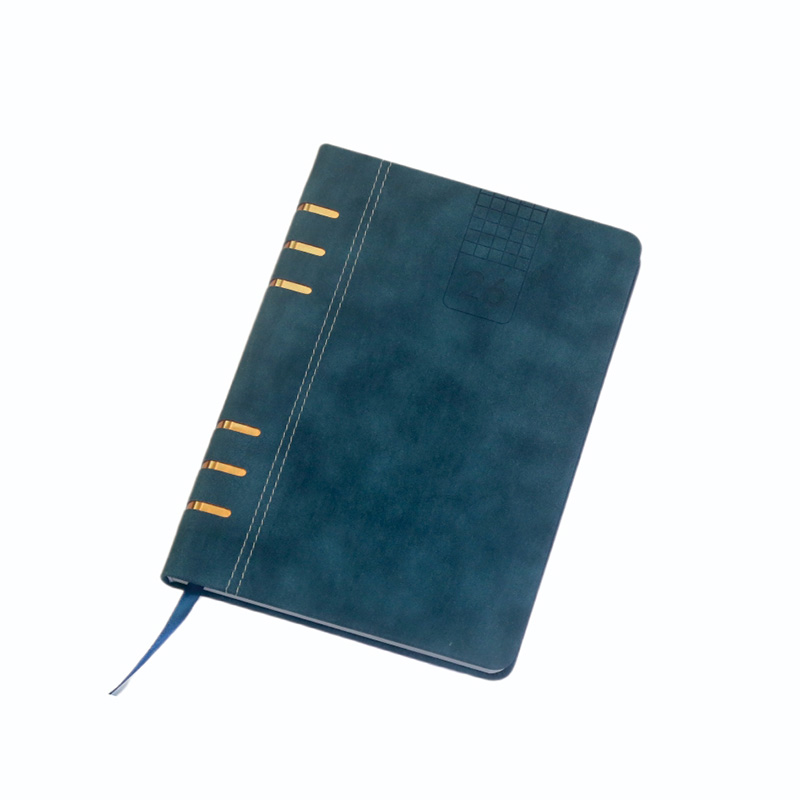
When I look at what makes a notebook worth using for months instead of weeks, I do not start with decoration alone. I start with touch, structure, writing comfort, and whether the product feels personal enough to belong to one person or professional enough to represent a brand. That is exactly where Suzhou Aiyide Stationery Co.,Ltd. enters the conversation naturally. While reviewing options in this category, I found that a well-made Journal notebook diary is not just a paper product. It is a daily tool for planning, reflection, meetings, gifting, and brand presentation, all in one format that people actually want to carry.
In my experience, buyers are rarely looking for “just another notebook.” They are trying to solve a more practical problem. They want something that looks polished, writes smoothly, holds up to regular handling, and can also reflect personal taste or company identity. That is why a strong Journal notebook diary matters so much in retail, gifting, office purchasing, school use, and promotional sourcing. A good one helps the user stay organized, but a better one also creates a stronger emotional connection every time it is opened.
Why Do So Many Buyers Feel Disappointed After Ordering Ordinary Notebooks?
I have seen the same pain points come up again and again. A notebook may look attractive in product photos, but once it arrives, the paper feathers, the cover scuffs too easily, the binding feels weak, or the whole design seems generic. That gap between expectation and real use is exactly what buyers want to avoid.
- I want a cover that looks refined instead of cheap.
- I want paper that feels smooth under different pens.
- I want binding that stays reliable after repeated opening and closing.
- I want customization that looks intentional, not like an afterthought.
- I want a product that works for personal journaling and professional presentation.
Those are not luxury demands. They are reasonable standards. A dependable Journal notebook diary should answer them without forcing the buyer to compromise between appearance and function.
What Makes a Journal Notebook Diary Feel More Valuable in Daily Use?
For me, value shows up in the details I notice while using the notebook, not just while shopping for it. A better cover texture improves first impression. Balanced page thickness improves the writing experience. Practical inner layouts reduce friction. Custom logo options or name imprinting make the notebook feel more purposeful.
That is why the best products in this segment are usually not built around one single feature. They combine several useful elements at once. A quality Journal notebook diary should feel stable in the hand, easy to open on a desk, comfortable to write in, and visually appropriate in different settings, from private journaling to client meetings.
| Buying Concern | What I Look For | Why It Matters |
| Cover quality | Durable textured material with a refined finish | Improves both appearance and long-term usability |
| Paper performance | Smooth pages with comfortable writing feedback | Supports daily notes, journaling, and planning |
| Binding strength | Firm construction that holds shape over time | Reduces page loosening and improves durability |
| Customization options | Logo, initials, dates, layout, and packaging flexibility | Helps the product fit both personal and business needs |
| Visual identity | Clean, tasteful design rather than over-decoration | Makes the notebook suitable for wider audiences |
How Can a Customized Notebook Solve More Than One Problem at Once?
I think this is where many buyers underestimate the category. They see notebooks as simple stationery items, but in reality, they often serve several roles at the same time. A single Journal notebook diary can be a planning tool, a writing companion, a corporate gift, a conference giveaway, a student essential, or a premium retail item depending on how it is configured.
If I am buying for a company, I care about branding, packaging, consistency, and useful page design. If I am buying for a store, I care about visual appeal and whether the product stands out without becoming too niche. If I am buying for personal use, I care more about comfort, style, and the feeling of ownership. A customizable product works well because it adapts to all three scenarios.
- For businesses, it supports logo presentation and brand recall.
- For gift buyers, it feels more personal and meaningful.
- For retailers, it offers broader shelf appeal.
- For end users, it improves writing enjoyment and habit retention.
That flexibility gives a Journal notebook diary stronger commercial value than standard one-size-fits-all notebooks.
Which Design Features Actually Influence Purchase Decisions?
When I compare notebooks, I find that buyers respond most strongly to features they can immediately understand and use. They may not describe those preferences in technical terms, but they definitely feel the difference.
The most persuasive design features usually include:
- Elegant cover materials that feel soft, structured, or premium to the touch
- Color options that fit different personalities, brands, and market styles
- Custom imprint methods such as embossing, foil details, or printed logos
- Flexible inner page formats including ruled, dotted, blank, planner, or mixed layouts
- Thoughtful additions such as ribbons, pockets, elastic closures, or gift packaging
I also pay attention to whether the overall design feels timeless. Trend-driven styles can work, but long-term usability usually comes from balanced design. A good Journal notebook diary should still look appropriate on a work desk, in a school bag, or as a gift item months after purchase.
Why Does Paper and Binding Quality Matter More Than Many Buyers Expect?
Because people may forgive a plain cover, but they do not forgive a frustrating writing experience. If the page surface feels rough, ink spreads too easily, or the notebook refuses to stay comfortable during use, the product loses value quickly. I always believe the inside performance must support the outside promise.
Binding matters for the same reason. A notebook that opens poorly creates resistance. A notebook that loosens over time feels disposable. Buyers who want repeat orders, resale potential, or stronger gifting value should not ignore construction quality. Even for a visually attractive Journal notebook diary, the product only becomes successful when the writing experience is reliable day after day.
| Feature | User Benefit | Commercial Advantage |
| Smoother paper | More pleasant daily writing | Better customer satisfaction and retention |
| Stable binding | Easier handling and longer service life | Fewer complaints and stronger product confidence |
| Structured cover | Improved tactile and visual appeal | Higher perceived value |
| Custom inner layouts | Better fit for planning, note-taking, or journaling | Wider target audience |
| Branding flexibility | More personal or professional relevance | Better use in promotional and corporate channels |
What Kinds of Buyers Benefit Most From a Journal Notebook Diary?
I would not limit this product to one audience, because that would miss its strongest advantage. A thoughtfully produced Journal notebook diary works across multiple buyer groups with very little friction.
- Office buyers who need presentable meeting and planning notebooks
- Corporate gift purchasers who want practical branded items
- Retailers looking for stationery with broader visual appeal
- Schools and training institutions that need durable daily-use notebooks
- Creative users who value journaling, sketch notes, and habit tracking
- Event organizers who want useful giveaways with a premium feel
That cross-market usefulness is important. It means the product is not limited to one season or one narrow campaign. Instead, it remains relevant across gifting cycles, office procurement needs, educational demand, and personal stationery trends.
How Can I Judge Whether a Supplier Understands Real Market Needs?
I look for evidence that the supplier understands use cases, not just specifications. Anyone can list size, cover material, and page count. What matters more is whether the supplier offers meaningful customization, practical communication, and product decisions that align with buyer priorities.
When I evaluate a supplier in this category, I usually ask a few simple questions:
- Can the notebook be adjusted for different branding goals?
- Can inner pages be adapted for business, planning, or creative use?
- Can packaging support gift or export needs?
- Can the visual finish be elevated without making the product look overdesigned?
- Can the product still feel consistent across larger orders?
These questions help separate ordinary commodity supply from a partner that understands how a Journal notebook diary performs in real buying decisions.
Why Does Personalization Increase Both Emotional and Commercial Value?
Because people hold onto products longer when those products feel specific to them. A monogram, company logo, commemorative date, custom insert, or carefully chosen cover color can turn a basic notebook into something much harder to replace. I see that as one of the biggest reasons custom stationery continues to perform well.
For individual users, personalization creates attachment. For companies, it creates recognition. For gift buyers, it adds thoughtfulness. For resellers, it creates differentiation. In every case, customization helps the Journal notebook diary do more than store notes. It becomes part of a memory, a workflow, or a brand impression.
What Should Buyers Prioritize Before Placing an Order?
If I were narrowing down options, I would focus on practical priorities first and decorative priorities second. That usually leads to better long-term results.
- Choose the intended use before choosing the finish.
- Match page layout to the user’s writing habits.
- Check whether the cover style fits the target audience.
- Confirm whether branding details will look clean and professional.
- Consider packaging if the notebook will be gifted or sold.
- Think about reorder consistency, not just the first sample impression.
That approach makes the buying process more strategic. Instead of selecting a notebook only because it looks attractive online, I can choose a Journal notebook diary that performs well in the real world and supports repeat demand.
How Can the Right Journal Notebook Diary Support Better Brand and User Experience?
In the end, I think the strongest products are the ones that make daily use feel easier and more satisfying while also serving a clear business purpose. A notebook should not be complicated, but it should feel considered. It should look good, write well, hold up over time, and fit the identity of the person or brand using it.
That is why I see real potential in a well-developed Journal notebook diary. It answers practical needs, improves presentation, and creates more room for personalization without sacrificing usability. For buyers who want a notebook that feels more refined, more adaptable, and more memorable than standard market options, this category deserves serious attention.
If you are sourcing notebooks for retail, gifting, office use, school projects, or private label development, now is the right time to choose a product that does more than fill a basic stationery slot. A carefully made Journal notebook diary can help you offer more value to your customers and present your brand more effectively. If you want to discuss customization, materials, layouts, packaging, or order details, please contact us and send your inquiry today. I would strongly recommend starting the conversation early so you can build a notebook solution that truly fits your market.