Interproximal Brush Manufacturing in China: Your Ultimate Guide to Quality Factories
2026-06-20
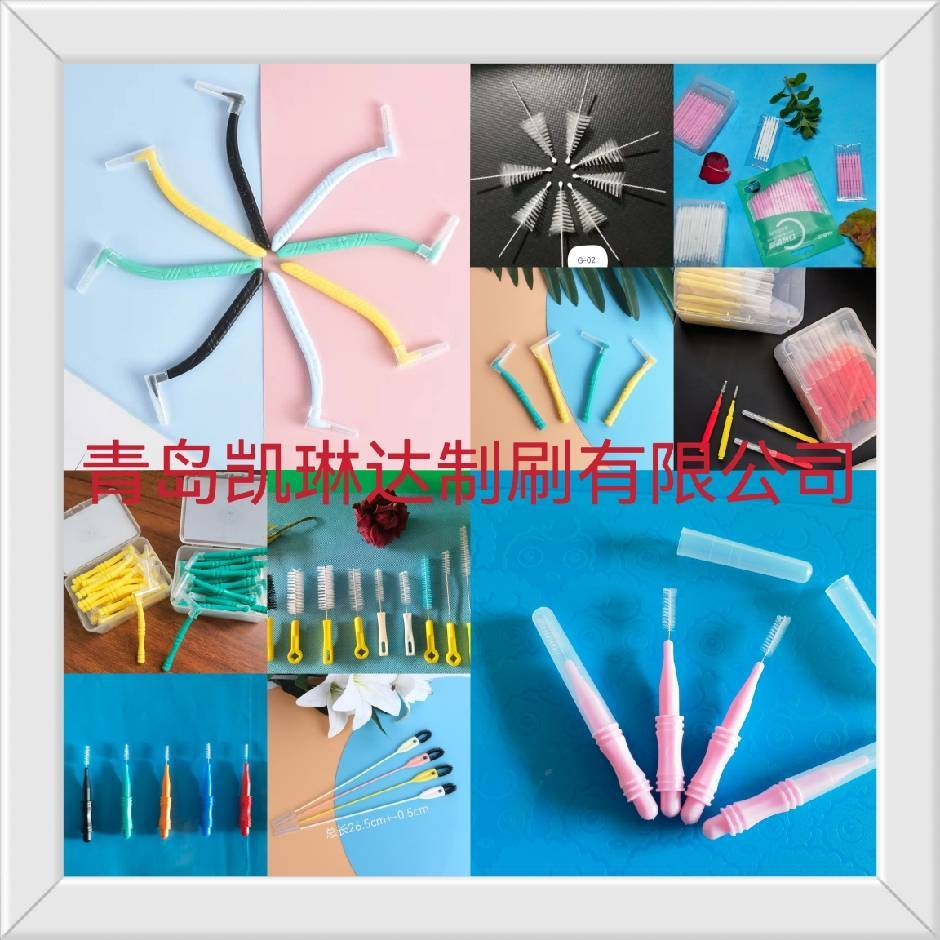
Finding the right partner for interproximal brush manufacturing can be a maze, especially when quality and cost hang in the balance. China has long been the go-to hub, but not all factories are created equal. Enter KLDZS—a name quietly setting new standards in oral care production. In this guide, we strip away the guesswork and take you straight to the factory floor, revealing what truly matters when sourcing interdental brushes that don’t just look good but perform brilliantly. Ready to see behind the curtain?
Why Cheap Interproximal Brushes Can Cost You More in the Long Run
It’s tempting to pick up a pack of no-name interproximal brushes when you see the price. After all, they look almost identical to the pricier ones. But what you might not notice is how quickly they start to fall apart. The wire can bend out of shape after just a few uses, leaving you with a tool that barely reaches the gaps it’s supposed to clean.
Worse still, the bristles on bargain brushes often shed or fail to remove plaque effectively. You might think you’re doing a thorough job, but inconsistent cleaning leaves behind debris that can lead to cavities, gum inflammation, and costly dentist visits. A brush that doesn’t do its job properly essentially wastes your daily effort.
High-quality interproximal brushes may cost more upfront, but they last significantly longer and provide consistent, reliable cleaning. By investing a little more now, you’re actually sparing yourself from the much larger bills that come with fillings, gum disease treatment, and other avoidable dental work. It’s one of those rare times where spending a bit extra truly saves you money down the road.
Materials That Actually Make a Difference for Gum Health
Many people assume that simply brushing twice a day is enough to maintain healthy gums, but the materials you use—from your toothbrush to interdental cleaners—can significantly alter the outcome. Soft-bristled toothbrushes with densely packed, rounded tips reach further into the gumline without causing micro-tears, while electric brushes with pressure sensors prevent aggressive scrubbing that often leads to recession. Floss picks made from expanded PTFE slide more easily between crowded teeth than nylon varieties, reducing the “snapping” motion that irritates delicate gum tissue. These subtle material choices accumulate over time, either reinforcing or weakening the foundation of oral health.
Beyond manual tools, the ingredients in your toothpaste and mouthwash form a chemical environment that either promotes healing or prolongs inflammation. Stannous fluoride, for example, not only strengthens enamel but also forms a protective barrier over exposed dentin tubules and reduces bacterial toxins directly at the gum margin. Toothpastes containing hydroxyapatite—a biomimetic mineral—have been shown to fill microscopic scratches on root surfaces, making it harder for plaque to adhere. Alcohol-free mouth rinses with cetylpyridinium chloride offer sustained antibacterial action without drying out the oral mucosa, which can trigger a rebound overgrowth of harmful bacteria. These formulation details transform daily routines into active therapies rather than just maintenance.
The often-overlooked factor is the material composition of replacement tools like tongue scrapers and gum stimulators. A tongue scraper made of medical-grade stainless steel resists bacterial biofilm better than plastic alternatives and can be sterilized repeatedly without degrading. Soft rubber-tipped gum stimulators with a textured surface increase blood flow when used along the gumline, but only if the material is flexible enough to contour to each tooth’s curvature without applying pinpoint pressure. Even the bristle retention technology in brush heads matters—molded anchors reduce wire staple corrosion, which can leach into saliva and compromise the mouth’s natural pH balance over months of use.
Inside Chinese Factories: Where Precision Meets Affordability
Walking into a modern Chinese factory often shatters old assumptions. You might expect dim, chaotic workshops, but what you find are brightly lit floors where skilled technicians operate CNC machines with micron-level accuracy. The secret behind their competitive pricing isn't cutting corners — it's a deeply integrated supply chain that brings raw materials, advanced tooling, and expert labor together within miles of each other. This tight ecosystem dramatically reduces logistics costs and turnaround times, allowing manufacturers to offer high-tolerance parts at rates that leave many Western competitors puzzled.
The real edge, however, lies in how these factories blend automation with human oversight. Robotic arms handle repetitive tasks with unwavering consistency, while seasoned machinists focus on complex setups and quality checks. Rather than chasing a perfect digital twin, many shop floors still rely on hand-finished prototypes before full production runs — a detail that ensures practical precision rather than just theoretical accuracy. This balance of technology and tactile skill means a batch of aluminum housings can emerge both flawless in measurement and remarkably cost-effective, ready to challenge any preconceived notion of what 'affordable manufacturing' can achieve.
Certifications You Can’t Afford to Ignore
In a landscape where credentials flood every resume, the ones that truly set you apart aren't always the most obvious. It's less about collecting acronyms and more about knowing which ones open doors that were previously locked. The certifications that matter carry weight because they signal more than just course completion—they prove you've solved real problems and can adapt when the script gets flipped. Ignoring them isn't just a missed opportunity; it's leaving leverage on the table while others use it to negotiate better roles and rates.
Think of certifications not as badges of honor but as shortcuts past gatekeepers. The right one can make a recruiter pause mid-scroll, not because it's rare, but because it's tied directly to outcomes they're desperate to see. This is especially true in fields where trust is slow to earn but quick to verify. When you can demonstrate mastery through a third-party validation that isn't easily gamed, you become a safer bet. And in a market that rewards certainty, safe bets get the offers first.
The mistake many make is chasing what's trendy instead of what's enduring. A certification that everyone rushes to obtain may soon become baseline noise. The ones you can't afford to ignore often have steep learning curves or require ongoing renewal, which filters out the casuals. They anchor you to a standard that clients and employers recognize across borders, turning your expertise into something portable. Skip them, and you might keep your schedule free—but you'll also keep your career on a smaller stage.
Customizing Your Brushes Without Compromising Quality
Finding a brush that truly feels like an extension of your hand often means going beyond off-the-shelf options. The key is to start with a manufacturer that treats customization as a craft, not just a checkbox. Instead of simply picking handle colors or bristle types from a limited menu, look for partners who let you tweak ferrule dimensions, adjust bristle density by millimeter, or blend filaments to hit a precise stiffness. This way, the brush doesn't just look different—it performs exactly how your technique demands, without any drop-off in longevity or finish quality.
Of course, the real test comes after the prototype passes your initial inspection. Small-batch, custom production should never mean inconsistent batches where brush number fifty feels nothing like brush number three. Insist on a maker who archives your exact specs—from the epoxy ratio to the curing time—so every reorder picks up where the last left off. When that level of detail is baked into the process, you get the freedom to create a signature tool without ever worrying that the bristles will shed prematurely or the handle will warp after a few cleanings. It's this blend of precision and reliability that turns a customized brush into a studio staple.
Smart Questions to Ask Before Placing Your First Order
Before hitting that checkout button, it pays to dig into the finer details—things like minimum order quantities, lead times, and whether your chosen supplier actually has the item in stock. A quick “What’s your current inventory level?” can save you from the frustration of a backorder that drags on for weeks.
Don’t be shy about asking for samples or photos that aren’t on the website. Real-life snapshots often reveal texture, sheen, and color more honestly than a polished studio shot. If the supplier hesitates or keeps sending the same marketing images, consider it a quiet red flag.
Finally, clarify the return and refund terms before any money changes hands. Phrase it casually: “If something doesn’t work out, what’s the usual next step?” Listen for specifics—restocking fees, return shipping, or exchange windows—and make sure they’re documented, not just promised over the phone.
FAQ
Several factors come together: a mature supply chain for dental care components, skilled labor at competitive rates, and years of refined expertise in precision manufacturing. Many workshops have also adopted automated molding and bristling equipment, which helps maintain tight tolerances across large runs.
Dig into their certifications—ISO 13485 specifically for medical devices is a strong signal. Request production samples to assess wire sturdiness and bristle endurance yourself. If possible, schedule a plant visit; transparency about incoming material checks and in-line testing is usually a good sign.
The core wire is typically stainless steel with a smooth polymer coating to protect gums. Bristles are mostly nylon, chosen for flexibility and wear resistance. Handles range from standard plastics like PP to eco-friendly alternatives such as PLA or bamboo fiber, depending on the brand’s direction.
Yes, customization is a standard offering. You can tailor brush diameters, filament stiffness, handle contours, and color palettes. Most facilities also provide private labeling, complete with custom packaging designs and your artwork.
Look for wire tensile and bend tests, bristle pull-force measurements, and thorough visual inspections to eliminate sharp edges. Reliable shops often do random batch sampling against AQL standards and can supply detailed inspection reports upon request.
Once artwork is greenlit, a custom order usually takes around 30 to 45 days. Off-the-shelf products can ship much faster, though urgent timelines may trigger priority fees. Always confirm the timeline in writing before placing a deposit.
It starts with wire cutting and forming, then bristle attachment—often via twisting or fusing. Next, the brush is inserted into handles, bristle tips are trimmed and rounded, and each piece passes through multiple quality gates before final packaging.
Conclusion
Sourcing interproximal brushes from China is not about chasing the lowest price — it's about understanding the real cost of cutting corners. Many buyers gravitate toward ultra-cheap options, only to find that flimsy wires, abrasive bristles, or inconsistent sizing lead to frustrated customers and returns. The materials matter: high-quality stainless steel cores and soft, rounded nylon filaments don't just clean interdental spaces effectively; they protect sensitive gums and hold up over repeated use. Inside China's better factories, you'll discover a surprising blend of automation and skilled oversight. Modern injection molding, robotic welding, and inline quality checks ensure tight tolerances, yet labor remains cost-effective enough to keep pricing competitive. These same facilities often carry ISO 13485, FDA registration, or CE markings — certifications that signal a commitment to medical-grade safety rather than a checkbox exercise. Overlooking those credentials can land you in regulatory hot water, whether you're selling in Europe, North America, or Asia.
Customization doesn't have to dilute quality. From bristle stiffness and handle grip texture to fully branded packaging, many Chinese manufacturers welcome tailored orders without demanding unrealistic minimum quantities. The key is to partner with a factory that views your spec list as a collaborative challenge, not a nuisance. Before placing that first order, ask pointed questions: Will they share material certifications? How do they verify wire tip safety? What's their average defect rate and how are rejects handled? Can you visit in person or get a real-time video tour? Solid factories answer these openly; those that deflect deserve skepticism. When you find a supplier that pairs engineering rigor with transparent communication, you unlock a partnership that consistently delivers brushes your customers will trust — and reorder.
Contact Us
Contact Person: Caiju Zhang
Email: [email protected]
Tel/WhatsApp: +86 14763963294
Website: https://www.kldbrush.com